Function Declaration vs Function Expression in JavaScript

Introduction
JavaScript provides multiple ways to define functions, and two common approaches are Function Declarations and Function Expressions. While both serve the same purpose—defining reusable blocks of code—there are key differences in how they are executed, hoisted, and used.
Function Declaration
A function declaration is when a function is defined using the function keyword at the top level of the code.
Example:
function greet() {
    console.log("Hello, World!");
}
greet();  // Output: Hello, World!
Function Expression
A function expression is when a function is assigned to a variable.
Example:
const greet = function() {
    console.log("Hello, World!");
};
greet();  // Output: Hello, World!
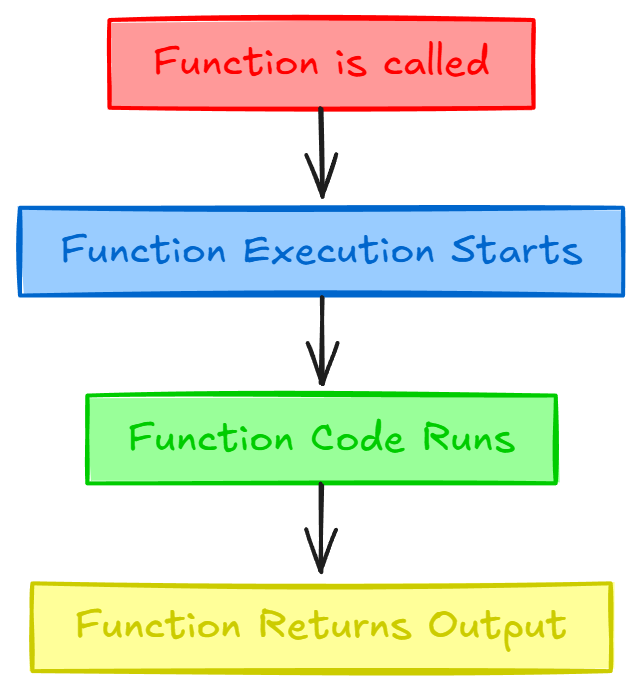
Flowchart:
Comparison Table: Function Declaration vs Function Expression
| Feature | Function Declaration | Function Expression |
| Syntax | function name() {} | const name = function() {}; |
| Hoisting | Yes (can be called before declaration) | No (cannot be called before declaration) |
| Anonymous Function | No (must have a name) | Yes (can be anonymous) |
| Best Use Case | When defining reusable functions at the top level | When defining inline or callback functions |
Conclusion
Understanding the differences between function declarations and function expressions is crucial for writing efficient JavaScript code. Function declarations are hoisted, meaning they can be called before they are defined, making them ideal for defining reusable functions at the top level of your code. On the other hand, function expressions are not hoisted and are often used for inline functions, callbacks, and when assigning functions to variables. Choosing the right approach depends on the use case—function declarations work well for structured, global functions, while function expressions provide more flexibility, especially in scenarios like event handling and closures. By mastering both, you can write cleaner and more modular JavaScript code. 🚀